
Laurels
Emily Hwang and the Billionaire’s Hospital
A Very High Commendation in Philosophy at the John Locke Institute’s 2026 Global Essay Prize
November 8, 2026
Emily Hwang, a junior at The Hotchkiss School, received a Very High Commendation in Philosophy at the John Locke Institute’s 2026 Global Essay Prize, an honor reserved for essays that reach the final round of judging. She has been my student since she was in elementary school in Korea.
Her question: “Is it ever wrong to do the right thing for the wrong reasons?”
The hospital
She opened with a billionaire who gives a hundred million dollars for a children’s hospital. Hundreds of children are saved. The gift was designed by his tax lawyers and saves him more than it costs. Nothing illegal happened. Is anything wrong?
Her first move was to ask: wrong for whom? She separated three things the question usually blurs together: the person who acts, the person who receives, and the moral system itself. Then she imagined two identical worlds, one in which the billionaire gives from compassion and one in which he gives for the tax benefit, and noticed the only difference between them: reliability. Generosity that depends on a tax code will vanish with the tax code. “That alignment is not morality,” she wrote. “It is a coincidence.”
Kant, Aristotle, and a thief
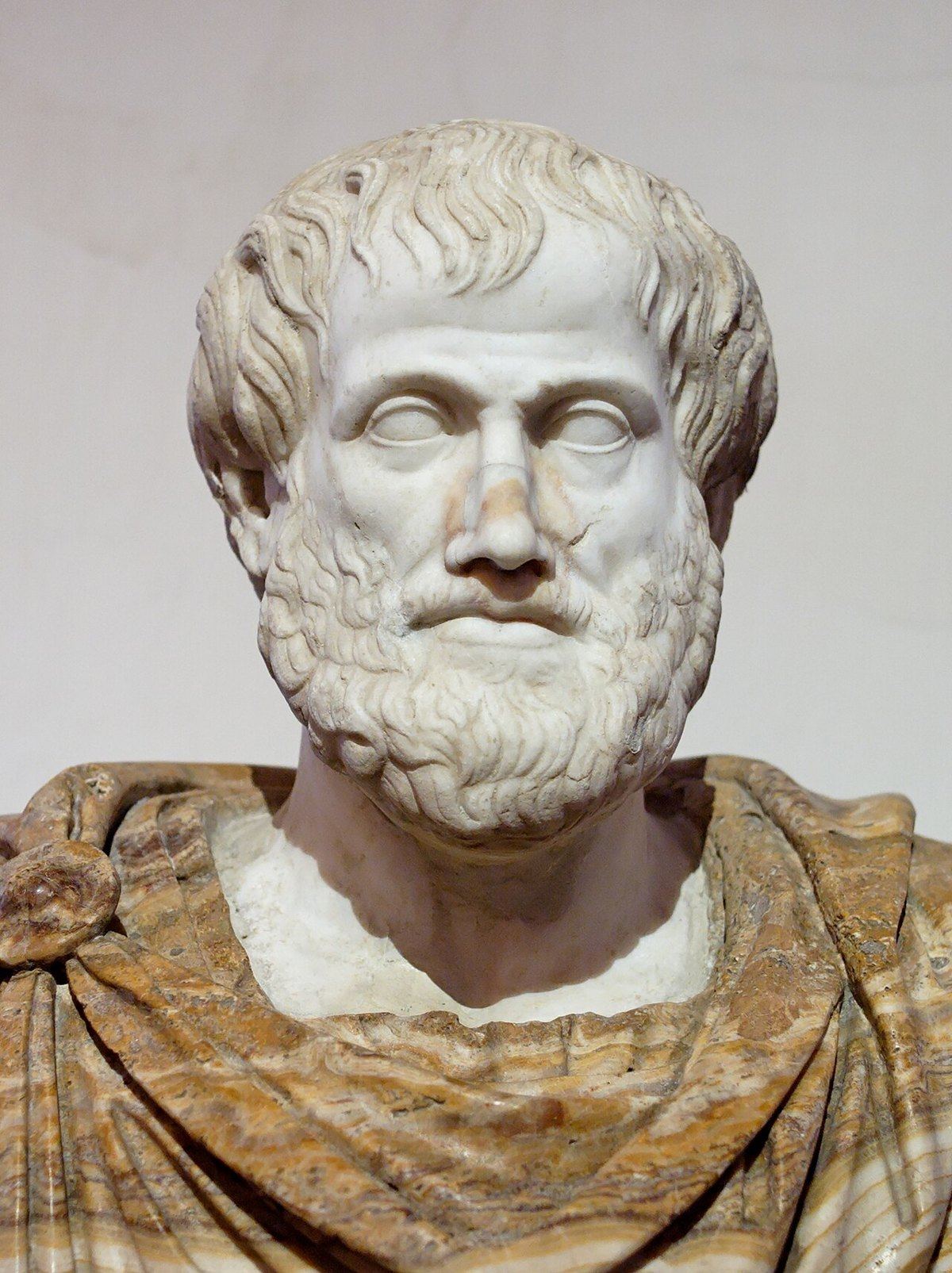
With Kant she drew the line between acting in accordance with duty and acting from it, and showed how the children become a means to the billionaire’s ends. With Aristotle she argued that the vain giver does not merely fail to grow more generous; he grows more vain, because we become what we repeatedly do.
Between them she placed something few would have thought to put there: the good thief, Dismas, crucified beside Christ, and the Church’s old distinction between perfect and imperfect contrition. The word itself comes from the Latin conterere, to grind to pieces. The Church, she observed, had decided centuries before Kant that a confession made for the wrong reason is not a lesser confession but no confession at all.
The last line
Her conclusion is worth quoting whole: “When reasons do not matter, morality becomes a transaction. And transactions, unlike virtue, end when the price is no longer right.”
The seminar behind the essay
Emily had argued with Kant on duty and with Aristotle on habit in our Socratic seminars long before either appeared in this essay. She brought them in as old acquaintances rather than citations, which is the difference a judge notices first.
I have taught Emily for most of her life, and I have watched that kind of sentence arrive slowly, over years of reading. It does not come from a weekend of essay coaching.
The John Locke Global Essay Prize is one of many international writing contests our students prepare for, through the academic year and the summer, in Humane Letters. Volume I begins this winter term. Details are on our admissions page.
In Korean, with our administrator: book a phone call · chat on KakaoTalk
In English, with Ioannes Magister: book a Zoom call · message on WhatsApp
Or write to contact@emersonlatin.com.
Get word when something new is posted.
Join Our Mailing List